Baggage Information
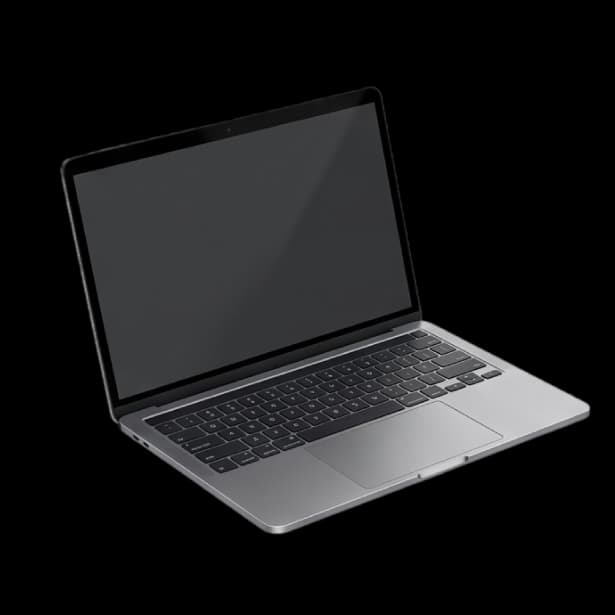
Electronic devices: Cell phone, tablet, laptop, camera, smartwatch, and other personal electronic devices.
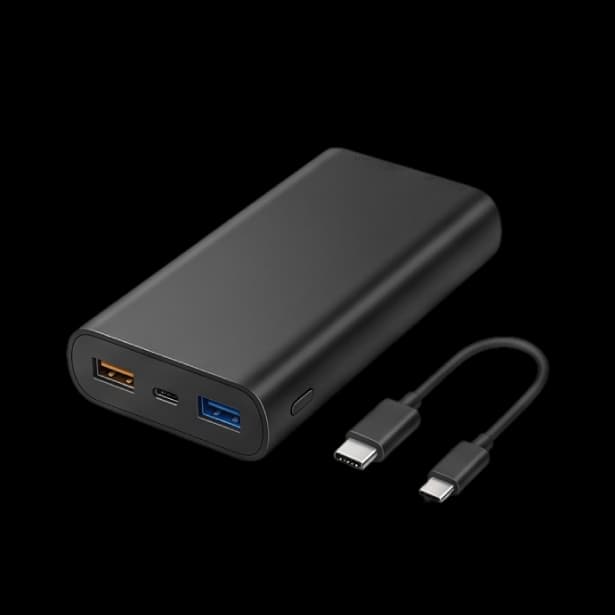
Power Banks: Up to 2 power banks not exceeding 100 Wh each
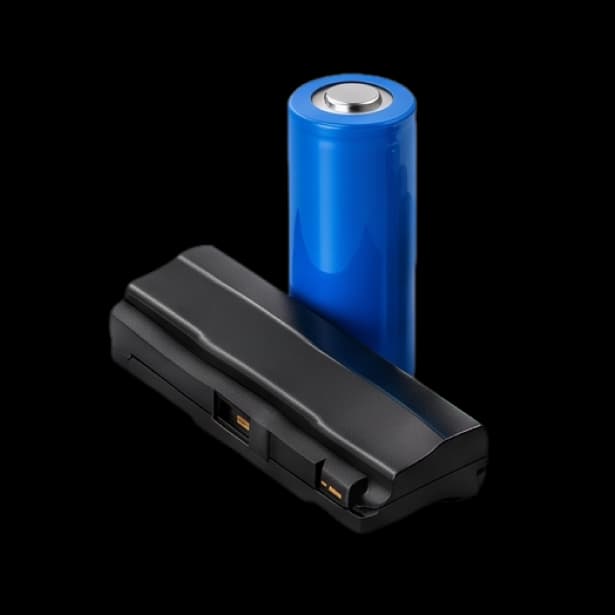
Loose lithium batteries: They must not exceed 100 Wh each, and they must be protected.
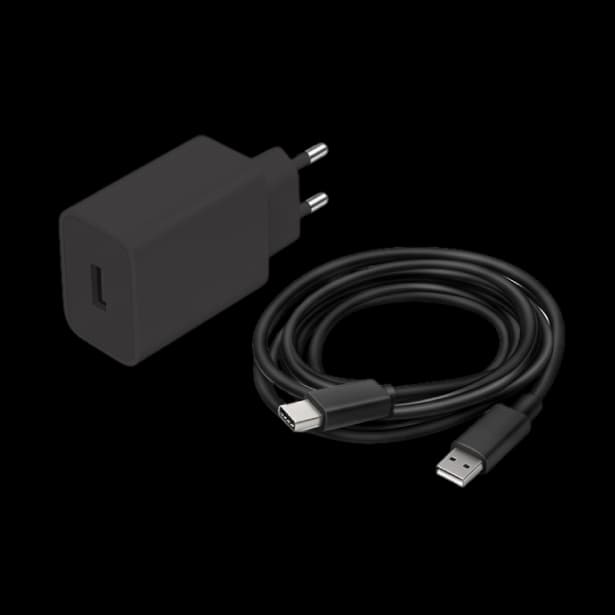
Chargers and cables: Chargers, USB cables, adapters, and electronic accessories
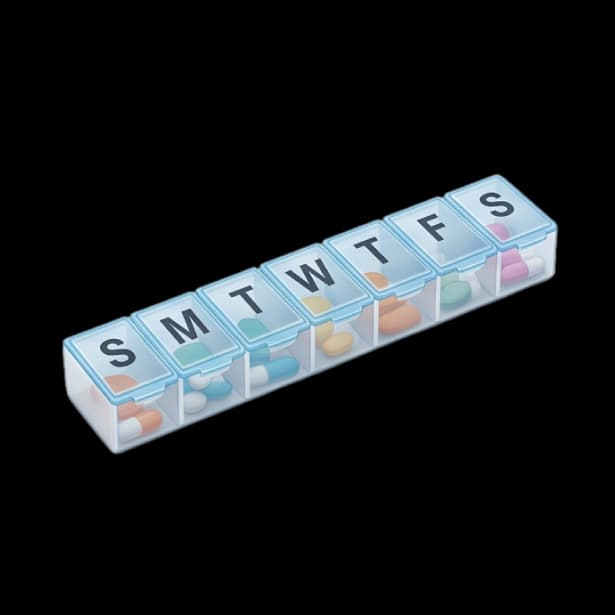
Medications: Personal medications necessary during the trip
Personal hygiene or toiletry ítems: Creams, lotions, gels, deodorants, and other permitted personal care items.
Personal ítems: Headphones, glasses, books, reading material, and personal items
Baby ítems: Necessary items for baby care during the trip
Restricted items in baggage are items or substances that may pose a hazard to health, human safety, the environment, or aircraft safety, and therefore cannot be carried in any of your baggage pieces
Flammable aerosols: WD-40, spray paint, spray starch, cooking spray, lubricants, and other flammable aerosols. Exception: Toiletry and personal care items, subject to the conditions established by SATENA
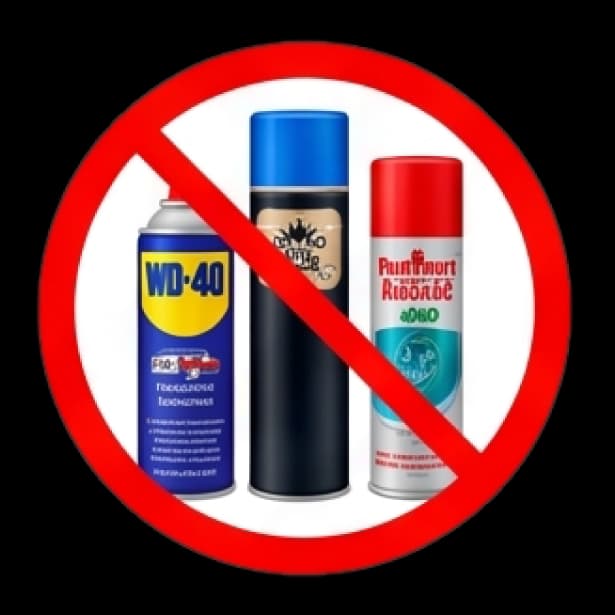
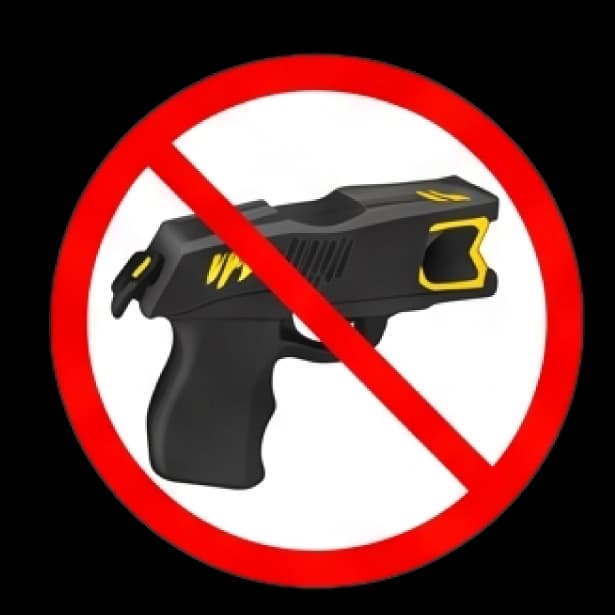
Electrical or electroshock weapons: Tasers, stun guns, electroshock devices, and other items designed to incapacitate via electrical discharge.
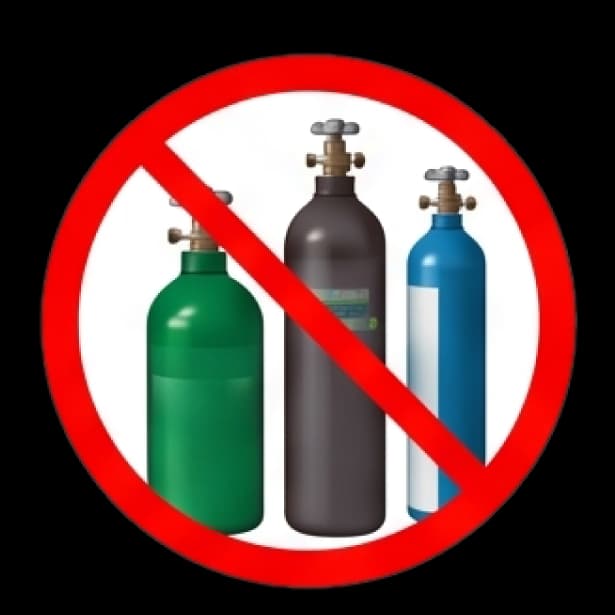
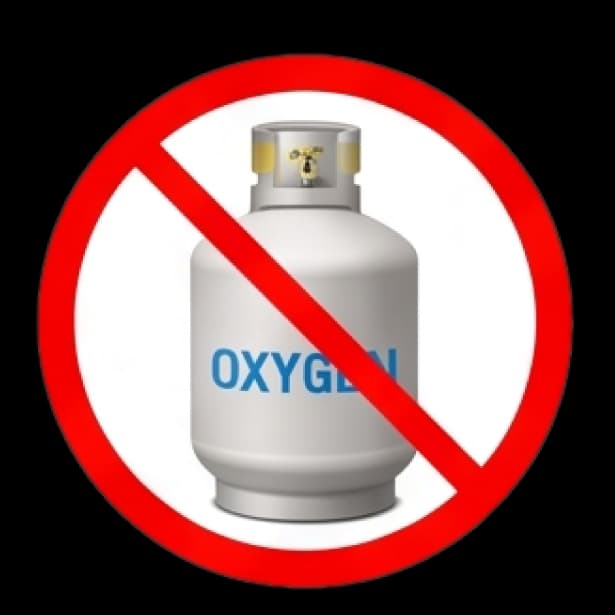
Pressurized oxygen cylinders or bottles: Bottles, cylinders, tubes, or tanks for recreational or industrial oxygen containing compressed gas
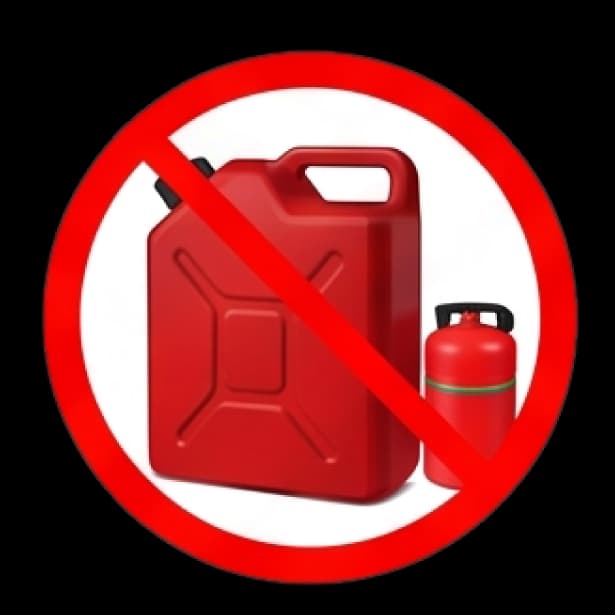
Fuels and flammable liquids: Gasoline, diesel, engine fuel, thinner, flammable solvents, and containers or equipment containing fuel residue.
Liquid oxygen devices: Equipment, diving tanks, containers, tanks, or systems containing liquid oxygen.
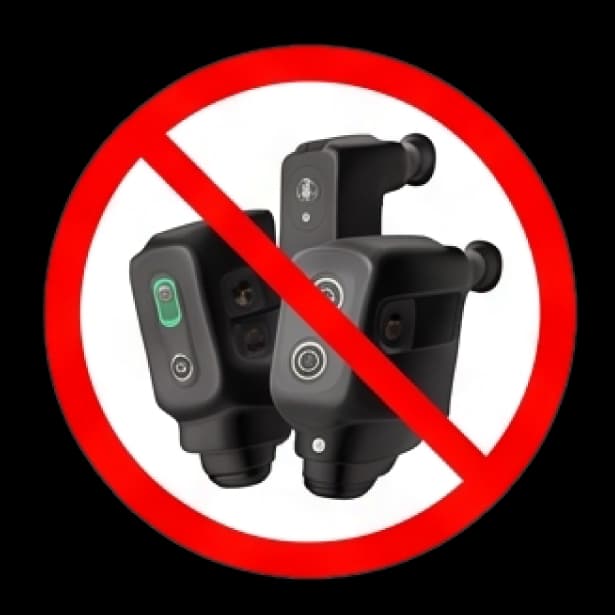
Disabling devices: Pepper spray, self-defense sprays, tear gas, irritants, and devices intended to incapacitate or immobilize.
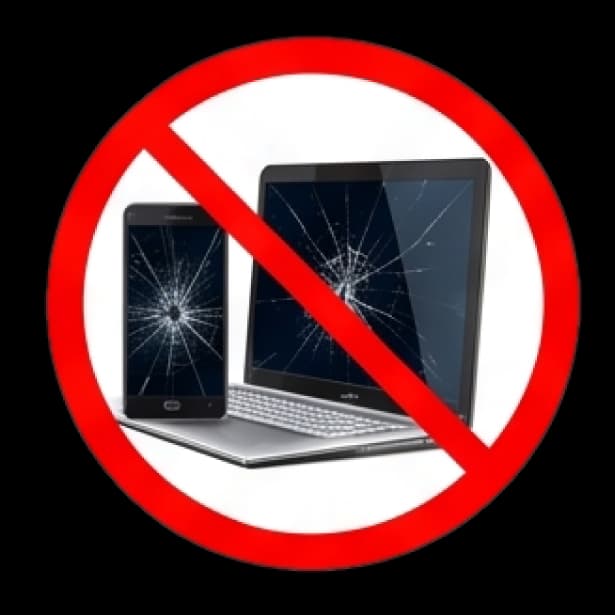
Damaged or defective electronic devices: Cell phones, computers, tablets, cameras, chargers, batteries, or other devices showing damage, swelling/warping, overheating, leaks, or deterioration.
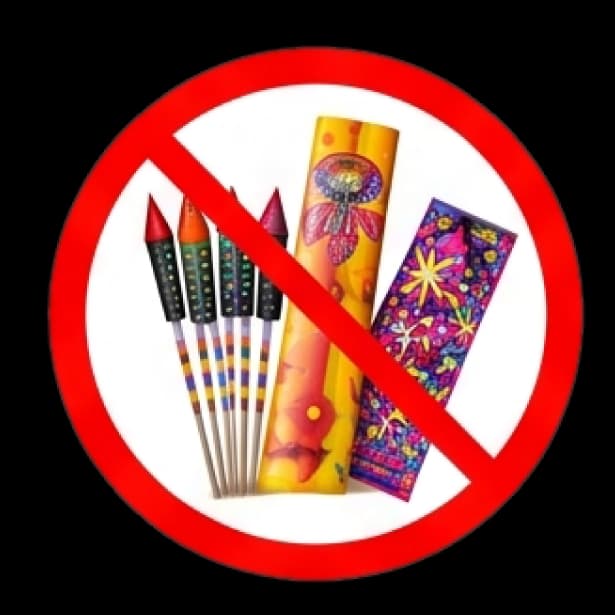
Fireworks and pyrotechnic items: Gunpowder, firecrackers, rockets, flares, fireworks, and pyrotechnic items.
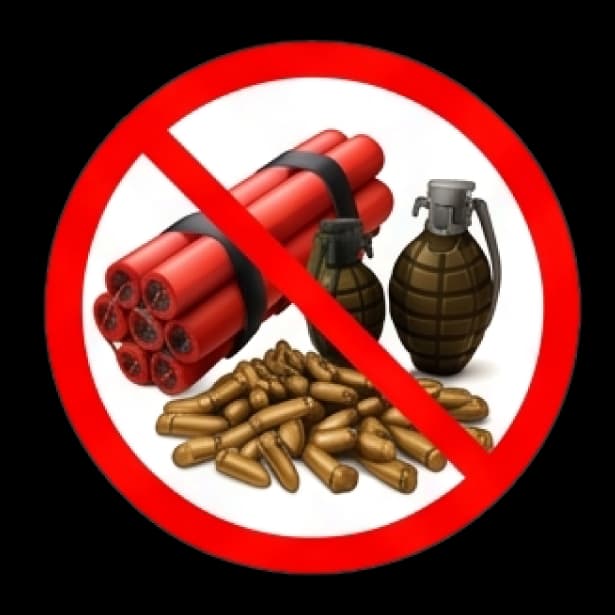
Explosives and ammunition: Explosives, detonators, ammunition, cartridges, and other items containing explosive material
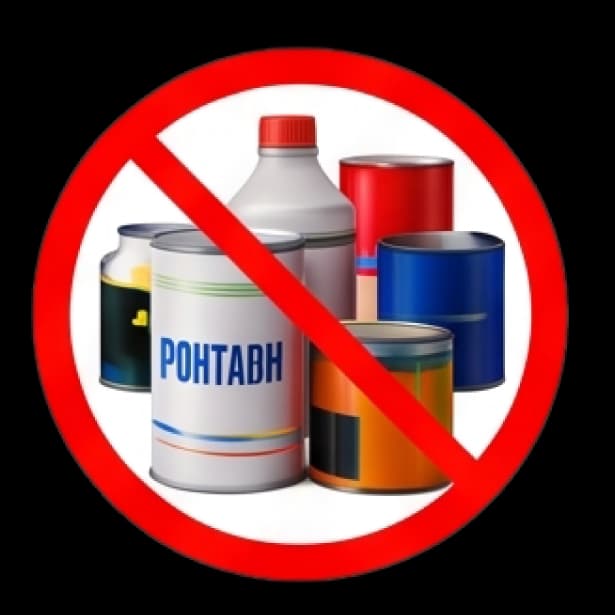
Paints, solvents, and flammable substances: Flammable paints, thinners, turpentine, acetone, lacquers, varnishes, resins, and other products with flammable characteristics.
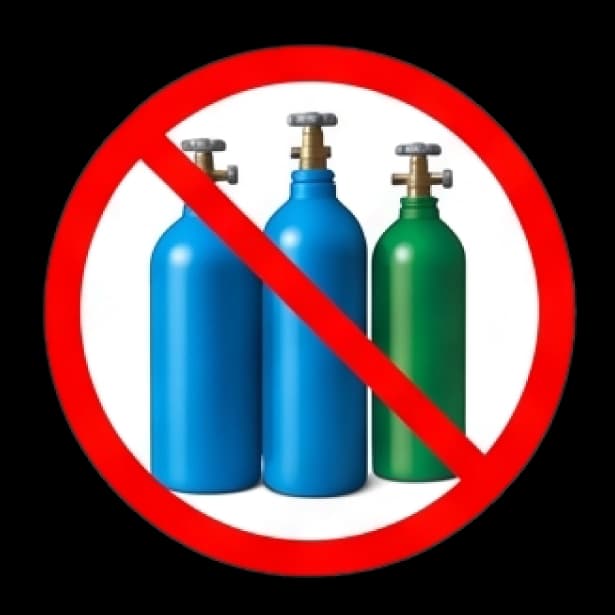
Pressurized tanks and cylinders: Compressed air tanks, gas cylinders, SCUBA/diving tanks, and other pressurized containers.
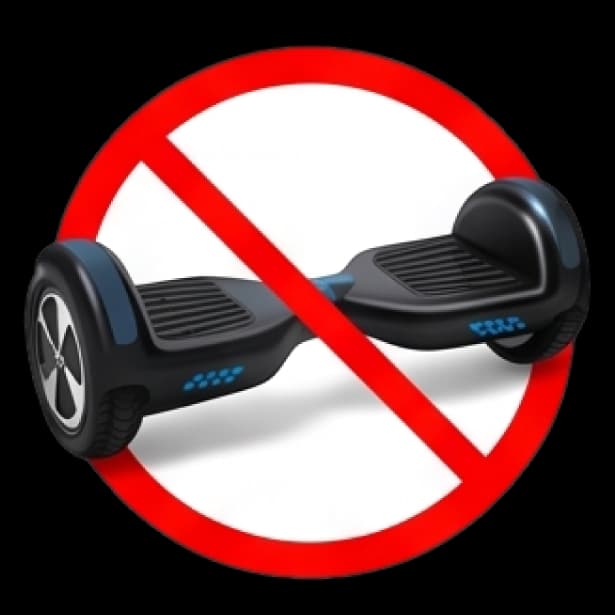
Vehicles powered by lithium batteries: Hoverboards, electric scooters, electric unicycles, Segways, and similar equipment, according to their battery specifications and transport conditions.
Damaged or defective batteries: Batteries exhibiting swelling, leaks, physical damage, overheating, or signs of deterioration
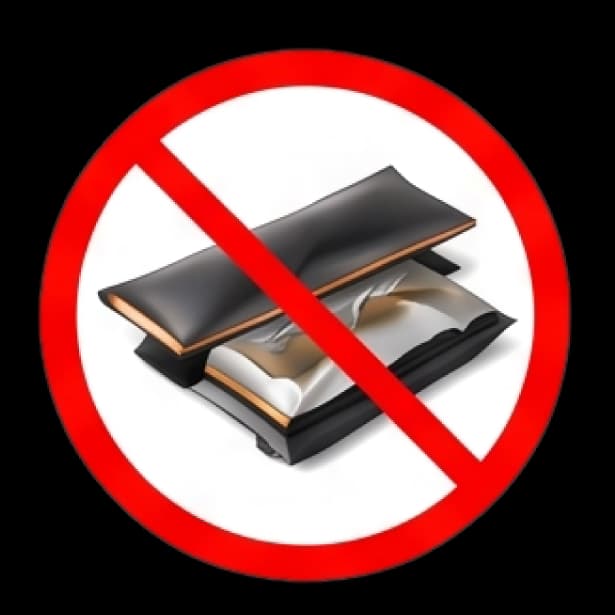
High-capacity batteries: Industrial batteries, batteries for vehicles, machinery, or equipment exceeding 100 Wh.
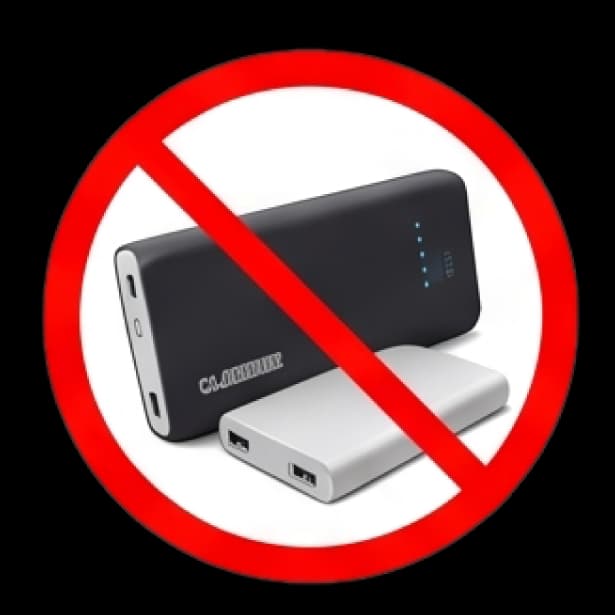
Corrosive substances: Acids, alkalis, corrosive products, and substances that can cause damage upon contact with people, baggage, or aircraft
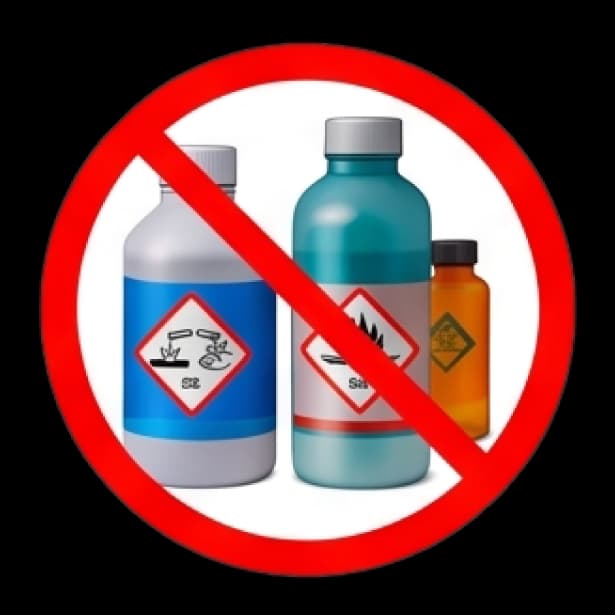
Toxic or poisonous substances: Poisons, certain pesticides, toxic chemical products, and substances that may represent a risk to people or the aircraft.
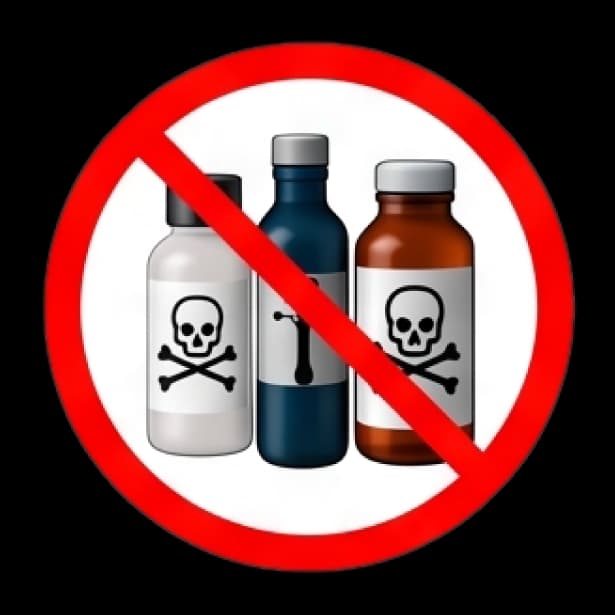
Radioactive material: Materials or equipment containing radioactive substances, except for specifically authorized exceptions.
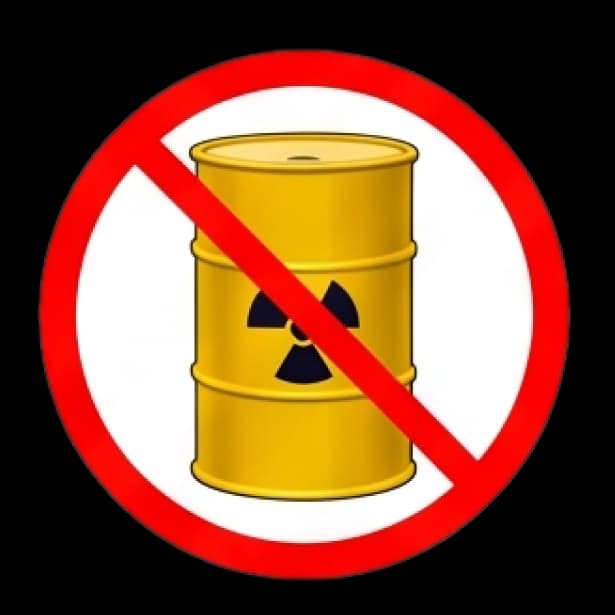
Sharp objects (in carry-on baggage): Knives, pocketknives, scalpels, machetes, bladed tools, scissors, and other items that could be used to cause injury.
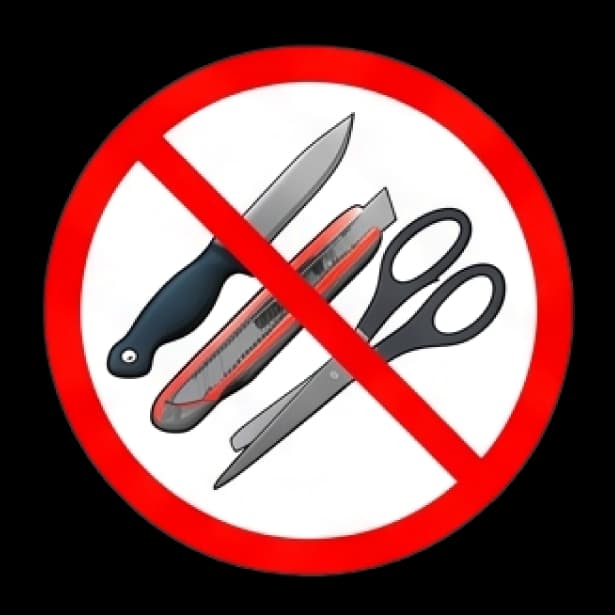
Tools that could be used as weapons (in carry-on baggage): Hammers, drills, saws, pry bars, screwdrivers, pliers, and other tools that could pose a safety risk.
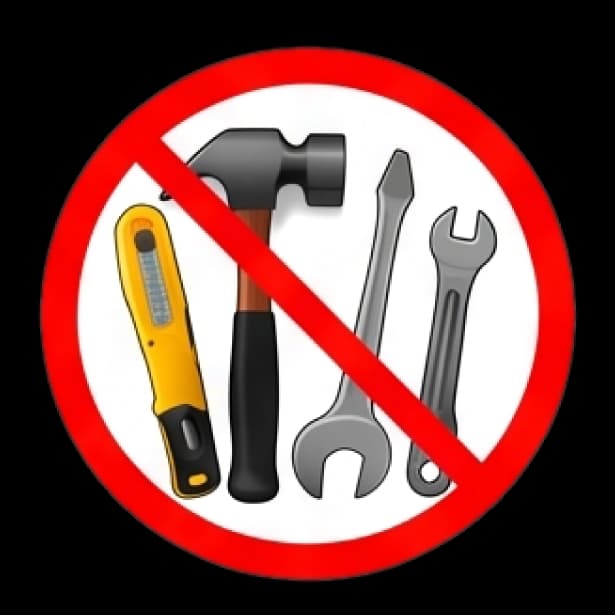
Blunt objects (restricted in carry-on baggage): Bats, sticks, bars, sports equipment, or other objects that could be used to cause injury
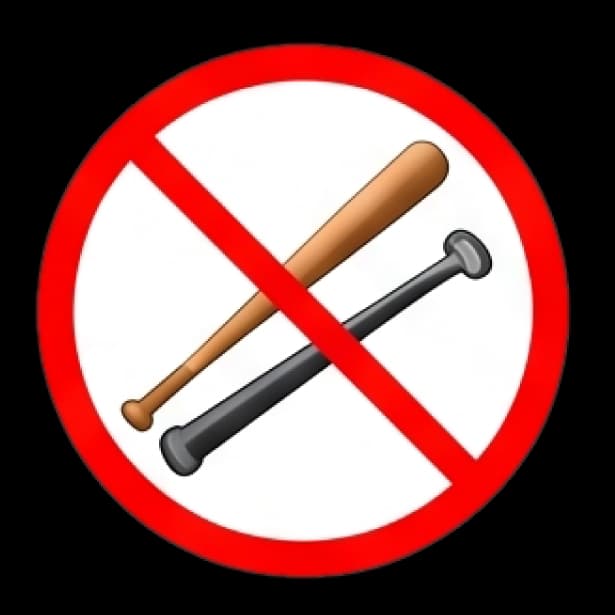
Firearms and replicas (restricted in carry-on baggage): Firearms, sporting guns, replicas, realistic toy guns, and other devices that could be mistaken for a weapon
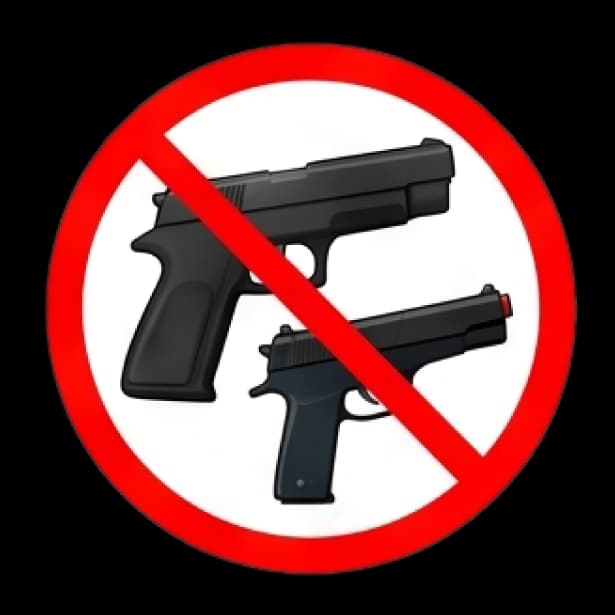
IMPORTANT
- Power Banks: Up to 2 per passenger allowed; must not exceed 100 Wh. Allowed only in carry-on baggage. Must not be used to charge or power other portable electronic devices (PED) during taxiing, takeoff, and landing phases. This restriction does not apply to portable medical devices (M-PED).
Do not transport damaged, modified, or unreliable power banks.
- SATENA does not transport dangerous goods, except those expressly authorized by the company that comply with current aviation regulations.
- The acceptance of any item is subject to its characteristics, quantity, packaging method, location within the baggage, and SATENA's transport conditions.
- If you have doubts about any item, please consult SATENA before arriving at the airport.
Class 1, Explosives: Substances and articles presenting an explosion hazard
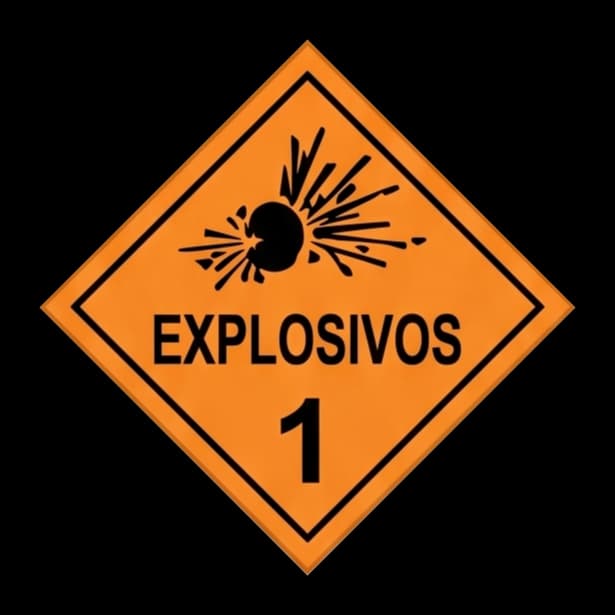
Class 2, Gases: Gases that can ignite and cause fire or explosion
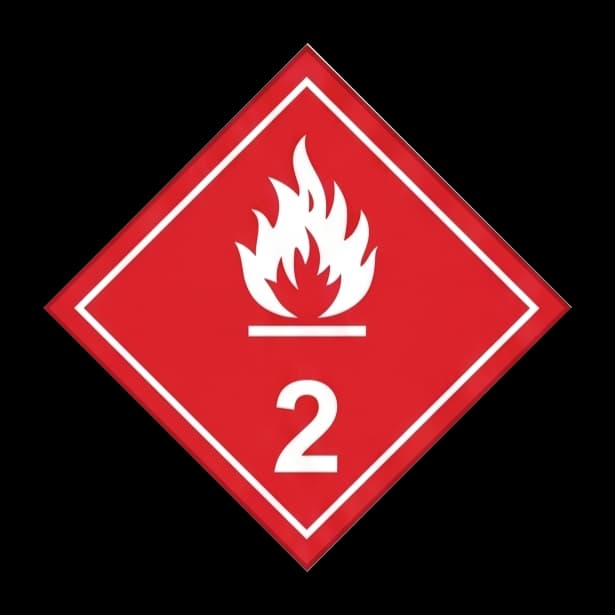
Class 3, Flammable liquids: Liquids with a low flash point.
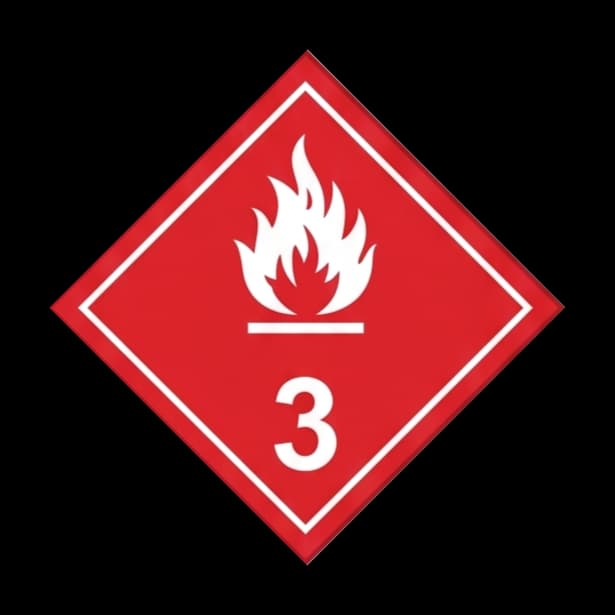
Class 4, Flammable solids: Solids that easily ignite and can cause fires

Class 5.1, Oxidizing substances: Substances that can cause or intensify fires
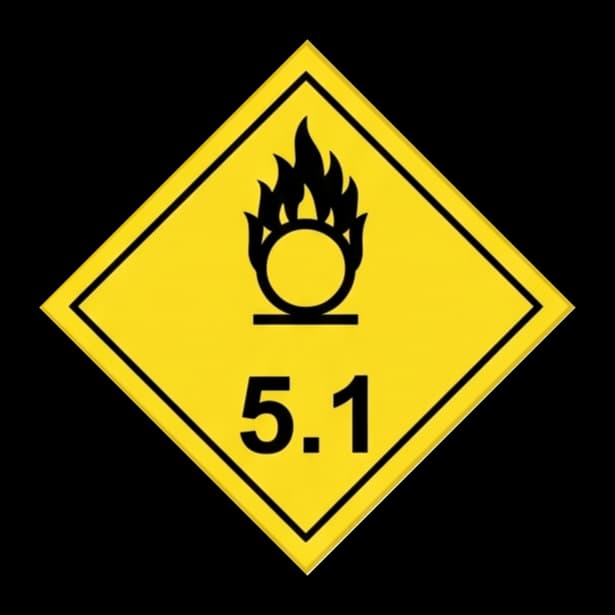
Class 6, Toxic substances: Substances that can cause death or severe injury
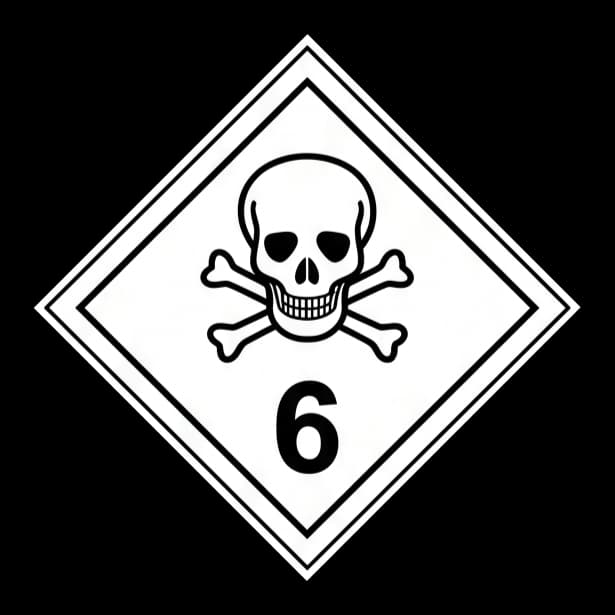
Class 7, Radioactive materials: Substances that emit ionizing radiation and can cause harm
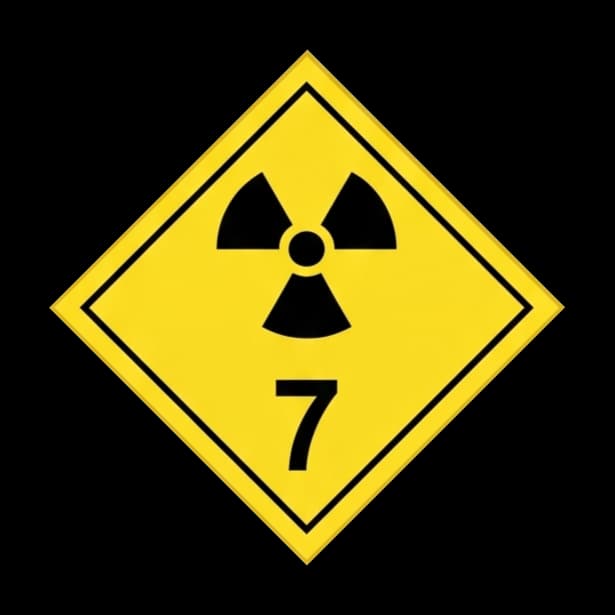
Class 8, Corrosive substances: Substances that can destroy living tissue and materials.
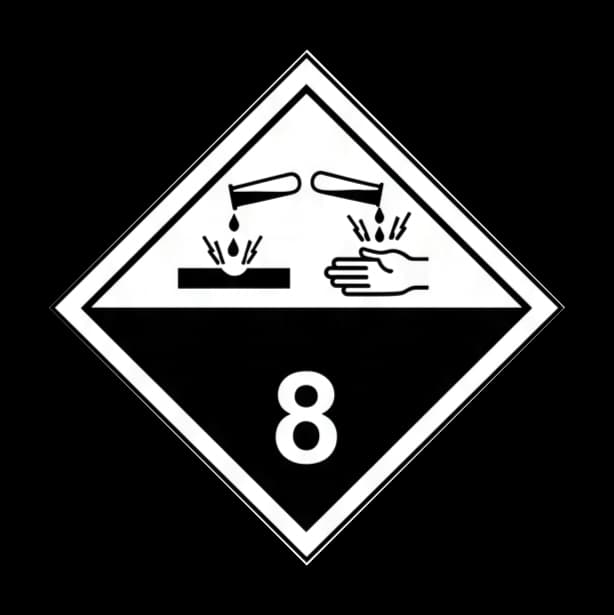
Class 9, Miscellaneous dangerous substances: Substances and articles presenting diverse hazards.